
- Home
- Author's Archive:

Review MIDI keyboard Arturia KeyLab 88 MkII. Where to buy it?
Arturia is a company based in Grenoble, France, specializing in the development of music software and hardware, with products aimed at both amateurs and professionals. I’ll tell you how this post is built. First, I’m going to list the features of this Arturia KeyLab 88 MkII keyboard. Then you have a video or two, purchase links and useful comments from other users and then you have one of the most useful parts; comparison tables with similar keyboards so you can compare.
- With 88 keys and CV connections
- Fatar plywood keyboard, with hammer action (Fatar — TP100LR)
- Speed sensitive and Aftertouch
- 16 illuminated pads with chord memory function
- 9 faders
- 9 rotating knobs
- LCD screen
- Transport section
- Tone and modulation wheels
- MIDI Input/Output
- Input for a sustain pedal and 6.3 mm jack expression
- 3 assignable pedal inputs 6.3 mm jack
- 3.5 mm mini-jack CV input
- Tone and door output 3.5 mm mini-jack
- Output Mod 1 and Mod 2 3.5 mm mini-jack
- USB connection
- Input for 9 — 12 V DC power supply 1.0 A
- Aluminum housing with wooden side panels
- Includes magnetic templates for Ableton Live, Logic Pro X, Pro Tools, Cubase, Studio One, Reaper and Mackie/HUI configurations
- Score/iPad support
- Removable laptop shelf
- The software package contains: Analog Lab 4 with 6000 synthesizer sounds, Ableton Live Lite, Arturia Wurli V, Arturia VOX Continental V and Arturia Piano V
- Dimensions: 1293 x 322 x 112 mm
- Weight: 15 kg

As other control functions we have: 16 illuminated pads with chord memory function, 9 assignable faders, 9 assignable knobs, transport buttons (rec, play, pause, stop, etc), a central knob to choose different functions, modulation wheels and pitch bend.
In connections we find that the Arturia KeyLab 88 MkII integrates CV outputs (pitch out, gate out, Mod 1 and Mod 2), MIDI input and output, inputs for expression pedals, sustain and 3 auxiliaries, CV input, external power supply input and USB connection.
Includes Analog Lab 4 software license with 6000 synthesizer sounds, Ableton Live Lite, Arturia Wurli V, Arturia VOX Continental V and Arturia Piano V.
Now that we have seen the features of this Arturia KeyLab 88 MkII keyboard watch these related videos to learn more.
Posts you may be interested in
- Ranking with the best midi keyboards
- My selection of cheap midi keyboards.
- Best MIDI Software to work with.
- MIDI Basic Guide.
- Midi Keyboards by Brand.
Arturia KeyLab 88 MkII vs Native Instruments Komplete Kontrol S88 K12
The Arturia KeyLab 88 MkII MIDI Keyboard is priced at €875/£789/$866 while the Native Instruments Komplete Kontrol S88 MK2 is priced at €945/£866/$955. Let’s move on to the face-to-face:
- Both offer a Fatar keyboard with 88 weighted keys, with hammer action and aftertouch.
- The Arturia KeyLab 88 MKII offers 16 illuminated pads with chord memory function, 9 assignable faders, 9 assignable knobs, transport buttons (rec, play, pause, stop, etc), a central knob to choose different functions, modulation wheels and pitch bend. When the Native Instruments Komplete Kontrol S88 MK2 offers 1 4D push encoder, 8 assignable knobs, transport buttons (rec, play, pause, stop, etc), modulation wheels and pitch bend.
- In connection, the Arturia KeyLab 88 MkII integrates CV outputs (pitch out, gate out, Mod 1 and Mod 2), MIDI input and output, inputs for expression pedals, sustain and 3 auxiliaries, CV input, external power supply input and USB connection. And the Native Instruments Kompletete Kontrol S88 MK2 has integrated MIDI input and output, two pedal inputs, input for external power supply and USB connection.
- The Arturia includes the Analog Lab 4 software license with 6000 synthesizer sounds, Ableton Live Lite, Arturia Wurli V, Arturia VOX Continental V and Arturia Piano V. And the Native Instruments includes the KOMPLETE SELECT license.
Let’s put the features of these keyboards in a table so you can compare
|
Arturia KeyLab 88 MkII |
Native Instruments Komplete Kontrol S88 MK2 |
|---|---|
|
|
In our first comparison, we have two high-quality MIDI controllers, on the one hand, we have the Arturia KeyLab 88 MkII which offers 88 weighted, sensitive and aftertouch keys, 16 illuminated pads with chord memory function, 9 assignable faders, 9 assignable knobs, transport buttons (rec, play, pause, stop, etc), a central knob to choose different functions, modulation wheels and pitch bend. And on the other hand, we have the Native Instruments Komplete Kontrol S88 MK2 which also offers 88 weighted keys, with sensitivity and aftertouch, 1 4D push encoder, 8 assignable knobs, transport buttons (rec, play, pause, stop, etc), modulation wheels and pitch bend.
Finding so many similarities between them will be somewhat complicated to decide which is the best option, but in the advantages of the Arturia, we can count on its CV connections and faders that do not have their competition. Then we could indicate that it is the best option, although if you do not need them, the Native Instruments Komplete Kontrol S88 MK2 is also an excellent choice.
And here is a video of the Native Instruments Komplete Kontrol S88 MK2 keyboard
If you want to know more about this option, click on the following link to see the Native Instruments Komplete Kontrol S88 MK2 review.
Arturia KeyLab 88 MkII vs Studiologic SL88 Grand
The Arturia KeyLab 88 MkII MIDI Keyboard is priced at €875/£789/$866 when the Studiologic SL88 Grand is priced at €769/£699/$785. This is the face-to-face one:
- Both offer an 88-key counterbalanced keyboard, with hammer and aftertouch action. The Arturia’s keyboard is Fatar and the Studiologic’s is a TP40Wood with wooden core keys and ivory touch.
- The Arturia KeyLab 88 MKII features 16 illuminated pads with chord memory function, 9 assignable faders, 9 assignable knobs, transport buttons (rec, play, pause, stop, etc), a center knob for choosing different functions, modulation wheels and pitch bend. When the Studiologic SL88 Grand offers 1 innovative 6-position control joystick (4-way switch + 1 rotary encoder + ‘push’ button), 3 function buttons and 3 programmable joystick controllers
- In connections, the Arturia KeyLab 88 MkII integrates CV outputs (pitch out, gate out, Mod 1 and Mod 2), MIDI input and output, inputs for expression pedals, sustain and 3 auxiliaries, CV input, external power supply input and USB connection. And the Studiologic SL88 Grand integrates MIDI input and two outputs, four inputs for pedals, input for external power supply and USB connection.
- The Arturia includes the Analog Lab 4 software licenses with 6000 synthesizer sounds, Ableton Live Lite, Arturia Wurli V, Arturia VOX Continental V and Arturia Piano V. And the Studiologic includes the SL Editor license.
Let’s put the features of these keyboards in a table so you can compare
|
Arturia KeyLab 88 MkII |
Studiologic SL88 Grand |
|---|---|
|
|
In this comparison we again find two high-quality MIDI controllers, on the one hand, we have the already analyzed Arturia KeyLab 88 MKII, on the other hand, we have the Studiologic SL88 Grand which offers an 88-key keyboard with TP40Wood hammer mechanism with Aftertouch, the keys have a wooden core and ivory touch, 1 innovative 6-position control joystick (4-way switch + 1 rotary encoder + ‘push’ button), 3 function buttons and 3 programmable joystick controllers.
Again we found a difficult decision due to the great similarity between both MIDI controllers, both have a great Fatar brand keyboard, as the main advantage the Studiologic SL88 Grand is that the keyboard has wooden keys increasing the simulation of a real acoustic piano, for a pianist, this will be very appreciated.
And here is a video of the Studiologic SL88 Grand keyboard
If you want to know more about this option, click on the following link to see the Studiologic SL88 Grand review.
Arturia KeyLab 88 MkII vs Roland A-88 MKII
The Arturia KeyLab 88 MkII MIDI Keyboard is priced at €875/£789/$866 and the Roland A-88 MKII is priced at €959/£859/$949. Let’s move on to the face-to-face:
- Both offer an 88-key counterbalanced keyboard, with hammer action. The Arturia’s keyboard is Fatar with the Aftertouch function and the Roland’s is a PH4-Standard with an ivory touch.
- The Arturia KeyLab 88 MKII features 16 illuminated pads with chord memory function, 9 assignable faders, 9 assignable knobs, transport buttons (rec, play, pause, stop, etc), a center knob for choosing different functions, modulation wheels and pitch bend. When the Roland A-88 MKII offers 8 pads and 8 knobs both assignable, octave up/down keys and modulation and pitch bend joystick.
- In connections, the Arturia KeyLab 88 MkII integrates CV outputs (pitch out, gate out, Mod 1 and Mod 2), MIDI input and output, inputs for expression pedals, sustain and 3 auxiliary, CV input, external power supply input and USB connection. And the Roland A-88 MKII integrates USB connection, MIDI input and output and power supply input, plus damper pedal input, FC1 and FC2.
- The Arturia includes the software licenses Analog Lab 4 with 6000 synthesizer sounds, Ableton Live Lite, Arturia Wurli V, Arturia VOX Continental V and Arturia Piano V.
Let’s put the features of these keyboards in a table so you can compare
|
Arturia KeyLab 88 MkII |
Roland A-88 MKII |
|---|---|
|
|
Again we have two great MIDI controllers, on the one hand, the Arturia KeyLab 88 MKII that we have already analyzed before, and on the other hand the Roland A-88 MKII that offers 88 weighted keys with Ivory Feel (PHA-4 Standard), 8 pads and 8 knobs both assignable, octave up/down keys and modulation and pitch bend joystick.
We find certain advantages in each, on the side of the Arturia the greater number of pads and their faders that are very useful in themes such as mixing. And on the Roland side its wooden casing making it stronger and more durable, as well as having a better design. Depending on which one best meets your needs you will make the best decision.
And here is a video of the Roland A-88 MKII keyboard
https://www.youtube.com/watch?v=USFvGCHt5PY
Arturia KeyLab 88 MkII vs Arturia KeyLab Essential 61
The Arturia KeyLab 88 MkII MIDI Keyboard is priced at €875/£789/$866 while the Arturia KeyLab Essential 61 is priced at €239/£215/$239 with a large difference of 638 Euro between them. Let’s move on to the face-to-face:
- The Arturia KeyLab 88 MkII offers a plywood Fatar keyboard, with hammer action (Fatar — TP100LR) with 88 speed-sensitive keys and aftertouch function and the Arturia KeyLab Essential 61 offers 61 speed-sensitive keys.
- The Arturia KeyLab 88 MKII offers 16 illuminated pads with chord memory function, 9 assignable faders, 9 assignable knobs, transport buttons (rec, play, pause, stop, etc.), a central knob for choosing different functions, modulation wheels and pitch bend. When the Arturia KeyLab Essential 61 offers 1 pushable encoder, 8 sensitive pads, 9 assignable knobs, transport keys, octaves up/down, and pitch bend and modulation wheels.
- In connections, the Arturia KeyLab 88 MkII integrates CV outputs (pitch out, gate out, Mod 1 and Mod 2), MIDI input and output, expression pedal inputs, sustain and 3 auxiliary inputs, CV input, external power supply input and USB connection. The Arturia KeyLab Essential 61 has an integrated USB connection, sustain pedal input, external power supply input and MIDI output.
- The Arturia includes the Arturia Analog Lab 4 software licenses with 6000 synthesizer sounds, Ableton Live Lite, Arturia Wurli V, Arturia VOX Continental V and Arturia Piano V. And the Arturia KeyLab Essential 61 includes Arturia Analog Lab 2 software, Ableton Live Lite and UVI Grand Piano.
Let’s put the features of these keyboards in a table so you can compare
|
Arturia KeyLab 88 MkII |
Arturia KeyLab Essential 61 |
|---|---|
|
|
In this comparison we have two MIDI controllers of the same brand, Arturia, on the one hand, the already analyzed Arturia KeyLab 88 MKII and on the other hand the Arturia KeyLab Essential 61 which offers 61 sensitive keys, 1 clickable encoder, 8 sensitive pads, 9 assignable knobs, transport keys, octaves up/down, and pitch bend and modulation wheels.
As we can see the Arturia KeyLab 88MKII is the big brother offering more and better functions, however also its price difference is very big. If you want a high-quality MIDI controller, design, connections and functions, the Arturia KeyLab 88 MKII will be your decision, on the other hand, if you need a keyboard with moderate functions and a 61-key keyboard without aftertouch or counterbalance the Arturia KeyLab Essential 61 will be your decision.
And here is a video of the Arturia KeyLab Essential 61
If you want to know more about this option, click on the following link to see the Arturia KeyLab Essential 61 review.
Arturia KeyLab 88 MkII vs M-Audio Hammer 88
The Arturia KeyLab 88 MkII MIDI keyboard is priced at €875/£789/$866 while the M-Audio Hammer 88 is priced at €422/£366/$419, with a notable difference. Let’s go head to head:
- Both offer a Fatar keyboard with 88 weighted keys, with hammer action. The Arturia’s keyboard is a Fatar TP100-LR with aftertouch.
- The Arturia KeyLab 88 MKII features 16 illuminated pads with chord memory function, 9 assignable faders, 9 assignable knobs, transport buttons (rec, play, pause, stop, etc), a center knob for choosing different functions, modulation wheels and pitch bend. When the M-Audio Hammer 88 offers 1 volume fader, octave up/down keys, and modulation and pitch bend wheels.
- When connected, the Arturia KeyLab 88 MkII features CV outputs (pitch out, gate out, Mod 1 and Mod 2), MIDI input and output, inputs for expression pedals, sustain and 3 auxiliary inputs, CV input, external power supply input, and USB connection. And the M-Audio Hammer 88 features an integrated USB connection, MIDI output, power supply input, and MIDI output.
- The Arturia includes the Analog Lab 4 software license with 6000 synthesizer sounds, Ableton Live Lite, Arturia Wurli V, Arturia VOX Continental V and Arturia Piano V. The M-Audio Hammer 88 includes the AIR “Mini Grand” Acoustic Grand Piano, AIR “Velvet” Vintage Electric Piano, AIR “DB-33” Tonewheel Organ Simulator and SONiVOX “Eighty-Eight Ensemble” Authentic Piano Instrument and Ableton Live Lite.
Let’s put the features of these keyboards in a table so you can compare
|
Arturia KeyLab 88 MkII |
M-Audio Hammer 88 |
|---|---|
|
|
Once again, we find a comparison of 88-key MIDI controllers. On the one hand, the Arturia KeyLab 88 MKII offers its revised functions and features, while the M-Audio Hammer 88 offers an 88-key hammer-action counterbalanced keyboard, plus 1 volume fader, octave up/down keys, and modulation and pitch bend wheels.
While the Arturia KeyLab 88 MKII offers more features (connections, controls) than its competition and therefore is a better choice as a MIDI controller, the price of the controller is doubled. On the other hand, the M-Audio Hammer 88 offers fewer control features and gives us a weighted 88-key keyboard for less. If you have the budget, go for the Arturia, otherwise, the M-Audio Hammer 88 is not a bad choice.
And here’s a video of the M-Audio Hammer 88 keyboard
If you want to know more about this option, click on the following link to see the M-Audio Hammer 88 review.
What is the best of these MIDI keyboards if I am a beginner on a budget?
While the answer to this question lies mostly in what specific need you have, for example, if you want to have a keyboard with the widest range of notes possible, or if you want to have as many control features as possible, or perhaps a mix between the two, that is without leaving behind the different connections and software licenses that most MIDI controllers offer, we will give an objective opinion according to our experience in music production and thus also with the price demanded by the controllers, a kind of value for money.
In this post, we generally have 88-key MIDI controllers and also a hammer action keyboard, and as a star product, we can say that the M-Audio Hammer 88 is an excellent choice for beginners. It also offers 1 volume fader, octave up/down keys and modulation and pitch bend wheels. It has three pedal inputs: sustain, expression and footswitch. Although it’s not that cheap, it’s worth every euro it costs.
Where to buy the keyboard Arturia KeyLab 88 MkII
Thomann
- Free Shipping.
- Full warranty. If you have any problems, they take care of everything.
- 100% reliable payment.
- A leader in trouble-free shipping.
- Usually the Best price.
- Best Reputation: They are the leading online store in Europe and have the best catalog and information.
Amazon
- Free Shipping and the possibility of shipping in one day with Amazon Premium.
- Full Guarantee but they are no experts in music equipment.
- Sometimes a better price.
- He’s got worse stock than Thomann.
Also, look at these models with a similar price and features:
- Roli Seaboard Rise 25
- Roli Seaboard Block Studio Edition
- Roli Songmaker Kit Studio Edition
- Haken Audio ContinuuMini
- Roli Seaboard Rise 49
- Native Instruments Komplete Kontrol S49 MK2
- Arturia KeyLab MkII 49 Black
- Akai MPK 249
- Arturia KeyLab MkII 49 White
- Novation 49SL MKIII
- Korg Triton taktile 49
- Keith McMillen K-Board Pro 4
- Native Instruments Komplete Kontrol S61 MK2
- Novation 61SL MKIII
- Novation Impulse 61
- Arturia KeyLab MkII 61 White
- Arturia KeyLab MkII 61 Black
- Nektar Panorama P6
- Akai MPK 261
- Nektar Panorama T6
- Studiologic SL73 Studio
- Native Instruments Komplete Kontrol S88 MK2
- Studiologic SL88 Studio
- Arturia KeyLab 88 MkII
- M-Audio Hammer 88
- Studiologic SL88 Grand
- Studiologic Numa Stage
- Doepfer PK88 GH
- Doepfer PK88 GH without Case
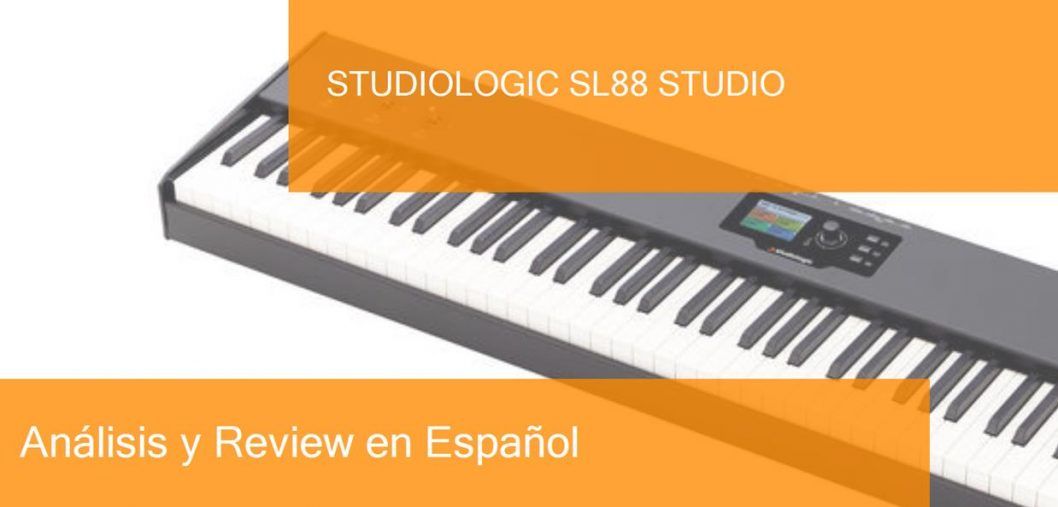
Review MIDI keyboard Studiologic SL88 Studio. Where to buy it?
Studiologic is a manufacturer of digital musical instruments such as pianos, synthesizers, house organs and more. I’ll tell you how this post is built. First I will list the features of this Studiologic SL88 Studio keyboard, then you have a video or two, purchase links and useful comments from other users and then you have one of the most useful parts; comparison tables with similar keyboards so you can compare.
- 88 keys
- TP/100LR hammer action keyboard
- 3 contacts per key + aftertouch
- Innovative 6-position control knob (4-way switch + 1 rotary encoder + push button)
- 3 function buttons
- 4 programmable zones
- 4 programmable pedal connections
- 3 programmable joystick controllers
- TFT colour graphic display (320 x 240)
- Editing and programming software (SL Editor)
- User programmable key balance
- 6 editable speed curves
- Magnetic rail system to adapt a music stand or plate for sheet music, etc. (music stand and plate as optional equipment)
- Dimensions: 1260 x 310 x 125 mm
- Weight: 13.7 kg
- Includes 9V DC 1A power supply, PS 100 sustain pedal and a collection of virtual instruments after hardware registration

It also offers 1 innovative 6-position control knob (4-way switch + 1 rotary encoder + ‘push’ button), 3 function buttons and 3 programmable joystick controllers.
In connections we have, USB connection, power supply input, input for 4 pedals, and one input and two MIDI outputs. It also includes an SL Editor license, an editing and programming software.
Now that we have seen the features of this Studiologic SL88 Studio keyboard watch these related videos to learn more.
Post you may be interested in
- Ranking with the best midi keyboards
- My selection of cheap midi keyboards.
- Best MIDI Software to work with.
- MIDI Basic Guide.
- Midi Keyboards by Brand.
Studiologic SL88 Studio vs Arturia KeyLab 88 MkII
The Studiologic SL88 Studio MIDI Keyboard is priced at €379/£349/$385 when the Arturia KeyLab 88 MkII is priced at €875/£789/$866, with a difference of almost €600. Let’s go face-to-face:
- Both offer an 88-key hammer-action weighted keyboard with sensitivity and aftertouch.
- In controls, the Studiologic SL88 Studio offers 1 innovative 6-position control knob (4-way switch + 1 rotary encoder + ‘push’ button), 3 function buttons and 3 programmable joystick controllers. When the Arturia KeyLab 88 MkIII offers 16 pads, 9 assignable knobs, 9 faders, transport buttons (rec, play, pause, etc) and modulation and pitch bend wheels.
- In connections, the Studiologic SL88 Studio integrates a USB connection, power supply input, input for 4 pedals, and one input and two MIDI outputs. And the Arturia KeyLab 88 MkII integrates USB connection, pitch outputs, Gate output, Mod 1 and Mod 2, inputs for sustain, expression and three auxiliary pedals, CV in, MIDI output and input, and an external power supply input.
- The Studiologic SL88 Studio includes SL Editor licenses. The Arturia KeyLab 88 MkII includes Analog Lab 4 with 6000 synthesizer sounds, Ableton Live Lite, Arturia Wurli V, Arturia VOX Continental V, and Arturia Piano V.
Let’s put the features of these keyboards in a table so you can compare
|
Studiologic SL88 Studio |
Arturia KeyLab 88 MkII |
|---|---|
|
|
In our first comparison, we find two similar MIDI controllers, on one hand, the Studiologic SL88 Studio which offers a keyboard with 88 weighted keys and aftertouch plus 1 innovative 6-position control knob (4-way switch + 1 rotary encoder + ‘push’ button), 3 function buttons and 3 programmable joystick controllers. In addition, the Arturia KeyLab 88 MkII offers 88 weighted and aftertouch keys, plus 16 pads, 9 assignable knobs, 9 faders, transport buttons (rec, play, pause, etc.) and modulation and pitch bend wheels.
Both have their advantages and disadvantages, starting with the Studiologic as advantages we can comment its price, which is almost half of its competition, however as disadvantages we can comment that apart from the knob and joystick it does not have more control functions. And the Arturia KeyLab 88 MkII as an advantage we can comment that it has many functions that we have already listed, and as a disadvantage, we can comment its somewhat high price compared to the first one. If you have the budget go for the Arturia, if not the Studiologic is a good product for the price.
And here is a video of the Arturia KeyLab 88 MkII
If you want to know more about this option, click on the following link to see the Arturia KeyLab 88 MkII review.
Studiologic SL88 Studio vs M-Audio Hammer 88
The Studiologic SL88 Studio MIDI Keyboard is priced at €379/£349/$385 and the M-Audio Hammer 88 is priced at €422/£366/$419. Having a difference of 80 euro between the two, let’s move on to the face-to-face:
- Both offer an 88-key hammer-action weighted keyboard with sensitivity, and the Studiologic keys also offer aftertouch functionality.
- In controls, the Studiologic SL88 Studio offers 1 innovative 6-position control knob (4-way switch + 1 rotary encoder + ‘push’ button), 3 function buttons and 3 programmable joystick controllers. When the M-Audio Hammer 88 offers 1 volume fader, octave up/down keys, and modulation and pitch bend wheels.
- In connections, the Studiologic SL88 Studio integrates a USB connection, power supply input, input for 4 pedals, and one input and two MIDI outputs. And the M-Audio Hammer 88 features an integrated USB connection, MIDI output, power supply input, and MIDI output.
- The Studiologic SL88 Studio includes SL Editor licenses. The M-Audio Hammer 88 includes the AIR “Mini Grand” Acoustic Grand Piano, AIR “Velvet” Vintage Electric Piano, AIR “DB-33” Tonewheel Organ Simulator, and SONiVOX “Eighty-Eight Ensemble” Authentic Piano Instrument and Ableton Live Lite.
Let’s put the features of these keyboards in a table so you can compare
|
Studiologic SL88 Studio |
M-Audio Hammer 88 |
|---|---|
|
|
Once again, we find a comparison of 88-key MIDI controllers. On the one hand, the Studiologic SL99 Studio offers its revised functions and features, while the M-Audio Hammer 88 offers an 88-key hammer-action counterbalanced keyboard, plus 1 volume fader, octave up/down keys, and modulation and pitch bend wheels.
The advantage of the Studiologic is its control functions and a slightly lower price. And something that we can mention as an advantage of the M-Audio Hammer would be its licenses that it includes, but in functions, it stays a little behind, it is oriented to users that only look for a controller where only the keyboard is used. The best option will be the Studiologic SL88 Studio.
Here’s a video of the M-Audio Hammer 88 keyboard
If you want to know more about this option, click on the following link to see the M-Audio Hammer 88 review.
Studiologic SL88 Studio vs Studiologic SL88 Grand
The Studiologic SL88 Studio MIDI Keyboard is priced at €379/£349/$385 while the Studiologic SL88 Grand is priced at €769/£699/$785. Let’s go face to face:
- Both offer an 88-key hammer-action weighted keyboard with sensitivity and aftertouch function. The Studiologic SL88 Studio keyboard is a TP/100LR, while the Studiologic SL88 Grand keyboard is a TP40Wood with wood-core keys and ivory touch.
- In controls, the Studiologic SL88 Studio offers 1 innovative 6 position control knob (4-way switch + 1 rotary encoder + ‘push’ button), 3 function buttons and 3 programmable joystick controllers. When the Studiologic SL88 Grand offers 1 innovative 6 position control knob (4-way switches + 1 rotary encoder + ‘push’ button), 3 function buttons and 3 programmable joystick controllers.
- In connections, both integrate USB connection, power supply input, input for 4 pedals, and one input and two MIDI outputs.
- Both include the SL Editor license.
Let’s put the features of these keyboards in a table so you can compare
|
Studiologic SL88 Studio |
Studiologic SL88 Grand |
|---|---|
|
|
In this comparison we found two very similar devices, actually if you could see the table the only differences we found are the keyboard, which in case of the Studiologic SL88 Grand is of a superior quality and finesse, so also instead of the knob, we have a joystick for its main control. Just like the last comparison, if you have the budget go for the Studiologic SL88 Grand, and logically if you want to have a MIDI controller with a very realistic digital piano keyboard simulation. If not, the Studiologic SL88 Studio is a great option.
And here is a video of the Studiologic SL88 Grand keyboard
If you want to know more about this option, click on the following link to see the Studiologic SL88 Grand review.
Studiologic SL88 Studio vs Roland A-88 MKII
The Studiologic SL88 Studio MIDI Keyboard is usually priced at €379/£349/$385 when the Roland A-88 MKII is priced at €959/£859/$949. Let’s go head to head:
- Both offer an 88-key hammer-action weighted keyboard with sensitivity and the Studiologic keys also offer the aftertouch function.
- In controls, the Studiologic SL88 Studio offers 1 innovative 6-position control knob (4-way switch + 1 rotary encoder + ‘push’ button), 3 function buttons and 3 programmable joystick controllers. When the Roland A-88 MKII offers 8 pads and 8 knobs both assignable, octave up/down keys and modulation and pitch bend joystick.
- In connections, the Studiologic SL88 Studio integrates USB connection, power supply input, input for 4 pedals, and one input and two MIDI outputs. And the Roland A-88 MKII integrates USB connection, MIDI input and output and power supply input, plus damper pedal input, FC1 and FC2.
Let’s put the features of these keyboards in a table so you can compare
|
Studiologic SL88 Studio |
Roland A-88 MKII |
|---|---|
|
|
Again we have a MIDI controller comparison of 88 keys, on the one hand the Studiologic SL88 Studio that we have already analyzed before, and on the other hand the Roland A-88 MKII that offers a PHA-4 keyboard with 88 weighted keys, hammer action and ivory feel, as well as 8 pads and 8 knobs both assignable, octave up/down keys and modulation and pitch bend joystick.
Like the latest comparisons, the Roland A-88 MKII is a MIDI controller with advantages, including its high-quality keyboard and the functions it offers. If you have the budget and the need for a high-end MIDI controller, go for it. If not the Studiologic will not stop being an excellent and more economical option.
And here is a video of the Roland A-88 MKII keyboard
Studiologic SL88 Studio vs Kawai VPC1
The Studiologic SL88 Studio MIDI Keyboard is priced at €379/£349/$385 when the Kawai VPC1 is priced at €1,268/£1,168/$1,295. This is the face-to-face one:
- Both offer an 88-key hammer action weighted keyboard with sensitivity and the Studiologic keys also offer aftertouch function.
- In controls, the Studiologic SL88 Studio offers 1 innovative 6-position control knob (4-way switch + 1 rotary encoder + ‘push’ button), 3 function buttons and 3 programmable joystick controllers. The Kawai VPC1 offers a graphical interface.
- In connections, the Studiologic SL88 Studio integrates USB connection, power supply input, input for 4 pedals, and one input and two MIDI outputs. And the Kawai VPC1 integrates USB connection, MIDI input and output, USB to host, power supply input, and damper and sustain pedal input.
Let’s put the features of these keyboards in a table so you can compare
|
Studiologic SL88 Studio |
Kawai VPC1 |
|---|---|
|
|
In this last comparison we have two 88-key MIDI controllers, on the one hand the well known and tested Studiologic SL88 Studio, and on the other hand the Kawai VPC1 which is one of the most expensive MIDI controllers on the market. It offers an 88-key master keyboard with Stage Piano Design, with 88 wooden keys with RM3 Grand II hammer action, plus many functions typical of a digital piano, and also includes an F-30 pedal unit with Half-Damper function. It is only a MIDI controller for demanding pianists, if you are one of them and have the budget go for it, otherwise the Studiologic SL88 Studio is an excellent choice at a more affordable price.
And here is a video of the Kawai VPC1 keyboard
If you want to know more about this option, click on the following link to see the Kawai VPC1 review.
Where to buy the Studiologic SL88 Studio keyboard
Amazon
- Free Shipping and the possibility of shipping in one day with Amazon Premium.
- Full Guarantee but they are no experts in music equipment.
- Sometimes a better price.
- He’s got worse stock than Thomann.
Thomann
- Free Shipping.
- Full warranty. If you have any problems, they take care of everything.
- 100% reliable payment.
- A leader in trouble-free shipping.
- Usually the Best price.
- Best Reputation: They are the leading online store in Europe and have the best catalogue and information.
Also, look at these models with a similar price and features:
- Roli Seaboard Rise 25
- Roli Seaboard Block Studio Edition
- Roli Songmaker Kit Studio Edition
- Haken Audio ContinuuMini
- Roli Seaboard Rise 49
- Native Instruments Komplete Kontrol S49 MK2
- Arturia KeyLab MkII 49 Black
- Akai MPK 249
- Arturia KeyLab MkII 49 White
- Novation 49SL MKIII
- Korg Triton taktile 49
- Keith McMillen K-Board Pro 4
- Native Instruments Komplete Kontrol S61 MK2
- Novation 61SL MKIII
- Novation Impulse 61
- Arturia KeyLab MkII 61 White
- Arturia KeyLab MkII 61 Black
- Nektar Panorama P6
- Akai MPK 261
- Nektar Panorama T6
- Studiologic SL73 Studio
- Native Instruments Komplete Kontrol S88 MK2
- Studiologic SL88 Studio
- Arturia KeyLab 88 MkII
- M-Audio Hammer 88
- Studiologic SL88 Grand
- Studiologic Numa Stage
- Doepfer PK88 GH
- Doepfer PK88 GH without Case
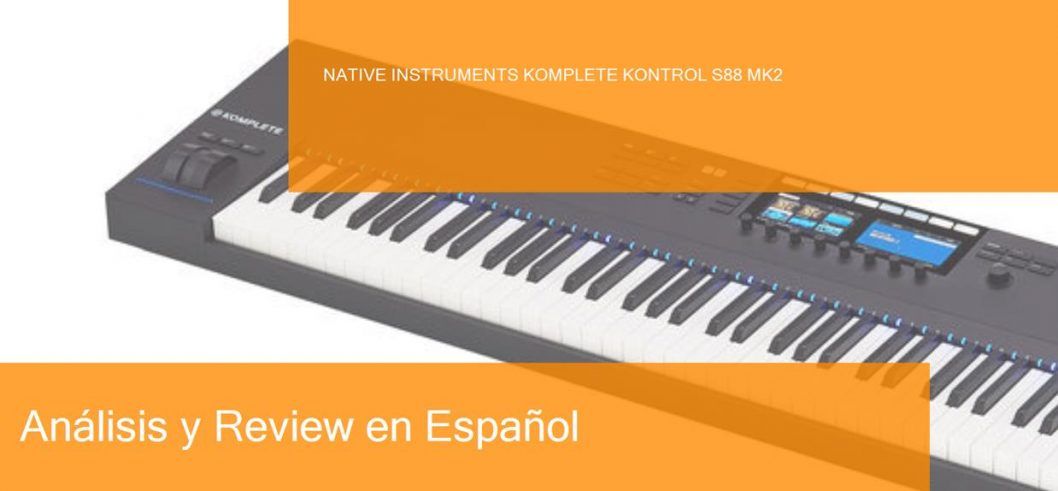
Review MIDI keyboard Native Instruments Komplete Kontrol S88 MK2. Where to buy it?
Native Instruments is a leading manufacturer of software and hardware for computer audio production and DJing. Native Instruments offers an unparalleled ecosystem of hardware, software and digital services powered by powerful platforms such as KONTAKT, REAKTOR and KOMPLETE. I’ll tell you how this post is built. First I will list the features of this Native Instruments Komplete Kontrol S88 MK2 keyboard. Then you have a video or two, purchase links and useful comments from other users and then you have one of the most useful parts; comparison tables with similar keyboards so you can compare.
- For NI Komplete
- Fatar keyboard with 88 hammer-action weighted keys
- Pitch and modulation wheels, plus touch strip for expression control
- Pre-mapped control for KOMPLETE instruments and hundreds of Native Kontrol Standard (NKS) instruments from leading manufacturers
- Full VSTi support
- Tag-based preset navigation: Find sounds quickly and hear previews instantly
- Two high-resolution color screens
- Push-button 4D encoder
- Light guide: RGB lights above each key highlight percussion cells, key switches, chords, scales and more
- Smart Play: Check the Light Guide scales and modes
- Seamless integration with MASCHINE software / hardware
- Intuitive control over Logic Pro X, Ableton Live, GarageBand, Cubase and Nuendo
- Includes KOMPLETE SELECT
- Two assignable pedal inputs
- MIDI In/Out
- Dimensions: 1390 x 346 x 115 mm
- Weight: 13.2 kg

This MIDI keyboard is usually priced at around €945/£866/$955 and offers a Fatar keyboard with 88 hammer action weighted keys that will allow you to tune and compose different musical ideas with its 7 octave note range in your favourite DAW.
It also features a 4D push encoder, 8 touch-sensitive encoders, transport buttons (rec, play, stop), movement buttons, octave controls and pitch bend and modulation wheels. It also has seamless integration with MASCHINE software/hardware and intuitive control over Logic Pro X, Ableton Live, GarageBand, Cubase and Nuendo.
It integrates MIDI input and output connections, two pedal inputs, power supply input and USB connection. And it includes the KOMPLETE KONTROL license, plus KOMPLETE SELECT for free (11 premium instruments and effects: Massive, Monark, The Gentleman, Drumlab, Reaktor Prism, Scarbee Mark I, Retro Machines, Vintage Organs, West Africa, Solid Bus Comp and Replica).
Now that we have seen the features of this Native Instruments Komplete Kontrol S88 MK2 keyboard watch these related videos to know more.
Posts you may be interested in
- Ranking with the best midi keyboards
- My selection of cheap midi keyboards.
- Best MIDI Software to work with.
- MIDI Basic Guide.
- Midi Keyboards by Brand.
Native Instruments Komplete Kontrol S88 MK2 vs Native Instruments Komplete Kontrol A25
The MIDI Keyboard Native Instruments Komplete Kontrol S88 MK2 is priced at €945/£866/$955 when the Native Instruments Komplete Kontrol A25 is priced at €135/£125/$137. We will see their face to face:
- The Native Instruments Komplete Kontrol S88 MK2 offers a Fatar keyboard with 88 hammer-action weighted keys, and the Native Instruments Komplete Kontrol A25 offers 25 semi-weighted keys.
- The Native Instruments Komplete Kontrol S88 MK2 offers a 4D push encoder, 8 touch-sensitive encoders, transport buttons (rec, play, stop), movement buttons, octave controls and pitch bend and modulation wheels. It also features seamless integration with MASCHINE software/hardware and intuitive control over Logic Pro X, Ableton Live, GarageBand, Cubase and Nuendo. The Native Instruments Komplete Kontrol A25 offers a 4D push encoder, 8 touch-sensitive encoders, transport buttons (rec, play, stop), movement buttons, octave controls and pitch bend and modulation wheels.
- The Native Instruments Kompletete Kontrol S88 MK2 integrates MIDI input and output connections, two pedal inputs, power supply input and USB connection. When the Native Instruments Komplete Kontrol A25 offers sustain pedal input connections and USB connections.
- The Native Instruments Komplete Kontrol S88 MK2 includes the KOMPLETE KONTROL licenses, plus KOMPLETE SELECT for free (11 premium instruments and effects: Massive, Monark, The Gentleman, Drumlab, Reaktor Prism, Scarbee Mark I, Retro Machines, Vintage Organs, West Africa, Solid Bus Comp and Replica. The Native Instruments Komplete Kontrol A25 includes the following Komplete instruments and effects licenses: The Gentleman, Monark, Scarbee Mark I, Reaktor Prism, Reaktor Blocks Wired, Reaktor 6 Player, Kontakt 6 Player, Guitar Rig 5 Player, Komplete Kontrol Software, Maschine Essential.
Let’s put the features of these keyboards in a table so you can compare
|
Native Instruments Komplete Kontrol S88 MK2 |
Native Instruments Komplete Kontrol A25 |
|---|---|
|
|
In this first comparison, we have two Native Instruments branded MIDI controllers, on one hand the Native Instruments Komplete Kontrol S88 MK2 which offers a Fatar keyboard with 88 hammer action weighted keys, a 4D push-button encoder, 8 touch sensitive encoders, transport buttons (rec, play, stop), movement buttons, octave controls and pitch bend and modulation wheels. And the Native Instruments Komplete Kontrol A25 offers 25 semi-weighted keys, and the same functions as the first. However, the main difference between the two, apart from the number of keys they offer, is that the keys of the S88 MK2 Control have the aftertouch function and also that the latter has deep integration with MASCHINE software/hardware and intuitive control over Logic Pro X, Ableton Live and GarageBand, Cubase and Nuendo, making it a better controller.
And here is a video of the Native Instruments Komplete Kontrol A25 keyboard
If you want to know more about this option, click on the following link to see the Native Instruments Komplete Kontrol A25 review.
Native Instruments Komplete Kontrol S88 MK2 vs Arturia KeyLab 88 MkII
The MIDI Native Instruments Komplete Kontrol S88 MK2 has a price of 945 Euro when the Arturia KeyLab 88 MkII has a price of €875/£789/$866, with a small difference. Let’s move on to the face-to-face:
- Both offer a Fatar keyboard with 88 hammer-action weighted keys..
- The Native Instruments Komplete Kontrol S88 MK2 offers a 4D push encoder, 8 touch-sensitive encoders, transport buttons (rec, play, stop), movement buttons, octave controls and pitch bend and modulation wheels. It also features seamless integration with MASCHINE software/hardware and intuitive control over Logic Pro X, Ableton Live, GarageBand, Cubase and Nuendo. The Arturia KeyLab 88 MKII offers 16 illuminated pads with chord memory function, 9 assignable faders, 9 assignable knobs, transport buttons (rec, play, pause, stop, etc), a central knob to choose different functions, modulation and pitch bend wheels.
- The Native Instruments Komplete Kontrol S88 MK2 integrates MIDI input and output connections, two pedal inputs, power supply input and USB connection. The Arturia KeyLab 88 MkII features CV outputs (pitch out, gate out, Mod 1 and Mod 2), MIDI input and output, inputs for expression, sustain and 3 auxiliary pedals, CV input, external power supply input and USB connection.
- The Native Instruments Komplete Kontrol S88 MK2 includes the KOMPLETE KONTROL licenses, plus the KOMPLETE SELECT for free (11 premium instruments and effects: Massive, Monark, The Gentleman, Drumlab, Reaktor Prism, Scarbee Mark I, Retro Machines, Vintage Organs, West Africa, Solid Bus Comp and Replica. The Arturia KeyLab 88 MkII includes the licenses of Analog Lab 4 with 6000 synthesizer sounds, Ableton Live Lite, Arturia Wurli V, Arturia VOX Continental V and Arturia Piano V.
Let’s put the features of these keyboards in a table so you can compare
|
Native Instruments Komplete Kontrol S88 MK2 |
Arturia KeyLab 88 MkII |
|---|---|
|
|
In this comparison we have on the one hand the Native Instruments Komplete Kontrol S88 MK2 that we have already analyzed before, and on the other hand the Arturia KeyLab 88 MkII that offers a Fatar branded keyboard with 88 hammer action keys, 16 illuminated pads with chord memory function, 9 assignable faders, 9 assignable knobs, transport buttons (rec, play, pause, stop, etc), a central knob to choose different functions, modulation wheels and pitch bend.
However, the advantage of the Native Instruments Komplete Kontrol S88 MK2 is that it is slightly more economical and also has a slightly lower weight. The advantages of the Arturia KeyLab 88 MkII include a large set of control functions that many users really appreciate, as well as connections that can only be found on high quality MIDI controllers.
Here is a video of the Arturia KeyLab 88 MkII
If you want to know more about this option, click on the following link to see the Arturia KeyLab 88 MkII review.
Native Instruments Komplete Kontrol S88 MK2 vs Native Instruments Komplete Kontrol M32
The Native Instruments Komplete Kontrol S88 MK2 MIDI Keyboard has a price of €945/£866/$955 when the Native Instruments Komplete Kontrol M32 has a price of €105/£98/$108. Let’s see your face to face:
- The Native Instruments Komplete Kontrol S88 MK2 offers a Fatar keyboard with 88 hammer-action weighted keys, and the Native Instruments Komplete Kontrol M32 offers 32 synthesizer-action mini keys.
- The Native Instruments Komplete Kontrol S88 MK2 offers a 4D push encoder, 8 touch-sensitive encoders, transport buttons (rec, play, stop), movement buttons, octave controls and pitch bend and modulation wheels. It also features seamless integration with MASCHINE software/hardware and intuitive control over Logic Pro X, Ableton Live, GarageBand, Cubase and Nuendo. The Native Instruments Komplete Kontrol M32 offers 1 4D push encoder, 8 touch-sensitive encoders and transport buttons (pause, rec, play), octave up/down buttons, buttons for loop, tempo and other functions. In addition to touchstrips, touch detectors for modulation and pitch bend.
- The Native Instruments Komplete Kontrol S88 MK2 integrates MIDI input and output connections, two pedal inputs, power supply input and USB connection. While the Native Instruments Komplete Kontrol M32 integrates a sustain pedal input and USB connection.
- The Native Instruments Komplete Kontrol S88 MK2 includes the KOMPLETE KONTROL licenses, plus KOMPLETE SELECT for free (11 premium instruments and effects: Massive, Monark, The Gentleman, Drumlab, Reaktor Prism, Scarbee Mark I, Retro Machines, Vintage Organs, West Africa, Solid Bus Comp and Replica. The Native Instruments Komplete Kontrol M32 includes the following Komplete instruments and effects licenses: Monark, Scarbee Mark I, Reaktor Prism, Komplete Kontrol Software, Maschine Essentials, Komplete Start, Ableton Live 10 Lite.
Let’s put the features of these keyboards in a table so you can compare
|
Native Instruments Komplete Kontrol S88 MK2 |
Native Instruments Komplete Kontrol M32 |
|---|---|
|
|
In this comparison we find the Native Instruments Komplete Kontrol S88 MK2, which we have already analyzed before and on the other hand the Native Instruments Komplete Kontrol M32, which offers 32 speed-sensitive synthesizer action mini-keys, 1 4D push encoder, 8 touch-sensitive encoders and transport buttons (pause, rec, play), octave up/down buttons, loop, tempo and other functions. In addition to touchstrips, touch detectors for modulation and pitch bend.
The advantage of the first one is its large Fatar keyboard with 88 weighted keys and its integration with MASCHINE software/hardware. And as an advantage of the second one we have a lighter and more compact MIDI controller. Considering its great difference in cash, we will always know which is the best option. Still, if you don’t want to spend so much on a MIDI controller the Native Instruments Komplete Kontrol M32 is a good option for its price.
And here is a video of the Native Instruments Komplete Kontrol M32 keyboard
If you want to know more about this option, click on the following link to see the Native Instruments Komplete Kontrol M32 review,
Native Instruments Komplete Kontrol S88 MK2 vs Native Instruments Komplete Kontrol S49 MK2
The MIDI Keyboard Native Instruments Komplete Kontrol S88 MK2 is priced at €945/£866/$955 and the Native Instruments Komplete Kontrol S49 MK2 is priced at €498/£449/$498. We will see your face to face:
- The Native Instruments Komplete Kontrol S88 MK2 offers a Fatar keyboard with 88 hammer-action weighted keys, and the Native Instruments Komplete Kontrol S49 MK2 offers a Fatar keyboard with 49 semi-weighted aftertouch keys.
- The Native Instruments Komplete Kontrol S88 MK2 offers a 4D push encoder, 8 touch-sensitive encoders, transport buttons (rec, play, stop), movement buttons, octave controls and pitch bend and modulation wheels. It also features seamless integration with MASCHINE software/hardware and intuitive control over Logic Pro X, Ableton Live, GarageBand, Cubase and Nuendo. The Native Instruments Komplete Kontrol S49 MK2 offers a 4D push encoder, 8 touch-sensitive encoders, transport buttons (rec, play, stop), movement buttons, octave controls and pitch bend and modulation wheels. Plus high-resolution color screens for navigating, adjusting, mixing and more.
- Both integrate MIDI input and output connections, two pedal inputs, power supply input and USB connection.
- Both include the KOMPLETE KONTROL licenses, plus the free KOMPLETE SELECT (11 premium instruments and effects: Massive, Monark, The Gentleman, Drumlab, Reaktor Prism, Scarbee Mark I, Retro Machines, Vintage Organs, West Africa, Solid Bus Comp and Replica.
Let’s put the features of these keyboards in a table so you can compare
|
Native Instruments Komplete Kontrol S88 MK2 |
Native Instruments Komplete Kontrol S49 MK2 |
|---|---|
|
|
The main difference between these MIDI controllers is their keyboards, which have 88 weighted keys on the first one and 49 semi-weighted keys on the second one, both of which are Fatar keyboards. If you want a Grand piano keyboard and with superior quality go for the Native Instruments Komplete Kontrol S88 MK2 and if you want a 4 octave MIDI controller (49 keys) go for the Native Instruments Komplete Kontrol S49 K12.
And here is a video of the Native Instruments Komplete Kontrol S49 K12 keyboard
Native Instruments Komplete Kontrol S88 MK2 vs Arturia Keystep
The MIDI Native Instruments Komplete Kontrol S88 MK2 Keyboard has a price of €945/£866/$955 when the Arturia Keystep has a price of €102/£89/$101. We will see its face to face:
- The Native Instruments Komplete Kontrol S88 MK2 offers a Fatar keyboard with 88 hammer-action weighted keys, and the Arturia Keystep offers 2 thin speed and touch-sensitive keys.
- The Native Instruments Komplete Kontrol S88 MK2 features a 4D Push Encoder, 8 touch-sensitive encoders, transport buttons (rec, play, stop), movement buttons, octave controls, and pitch bend and modulation wheels. It also features seamless integration with MASCHINE software/hardware and intuitive control over Logic Pro X, Ableton Live, GarageBand, Cubase and Nuendo. The Arturia Keystep offers the transport buttons (play, rec, etc.) and the touch strips or touch sliders for pitch bend and modulation. Since the Arturia Keystep is also a polyphonic sequencer, which means that it can create sequences (loops) with notes that sound at the same time (creating harmonies), it allows us to create up to 64 different steps (sequences) and create loops, be they percussion, bass, harmonies (chords), melodies and so on
- The Native Instruments Komplete Kontrol S88 MK2 integrates MIDI input and output connections, two pedal inputs, power supply input and USB connection. While the Arturia Keystep integrates USB connection, MIDI In/Out, CV/Port Output, Sync In/Out, Sustain Pedal In, Power Supply In.
- The Native Instruments Komplete Kontrol S88 MK2 includes the KOMPLETE KONTROL licenses, plus the KOMPLETE SELECT for free (11 premium instruments and effects: Massive, Monark, The Gentleman, Drumlab, Reaktor Prism, Scarbee Mark I, Retro Machines, Vintage Organs, West Africa, Solid Bus Comp and Replica. The Native Instruments Komplete Kontrol M32 includes the following Komplete instruments and effects licenses: Monark, Scarbee Mark I, Reaktor Prism, Komplete Kontrol Software, Maschine Essentials, Komplete Start, Ableton Live 10 Lite.
Let’s put the features of these keyboards in a table so you can compare
|
Native Instruments Komplete Kontrol S88 MK2 |
Arturia Keystep |
|---|---|
|
|
In this last comparison, we have again, on the one hand, the Native Instruments Kompletete Kontrol S88 MK2 with its functions and features that we have already analyzed before, and on the other hand the Arturia Keystep that offers 32 thin keys sensitive to speed and touch, the transport buttons (play, rec, etc.) and the touch strips or tactile sliders of pitch bend and modulation. Also the polyphonic sequencer function.
If you want a MIDI controller with good performance, a counterbalanced keyboard and excellent compatibility with different DAWs the Native Instruments Komplete Kontrol S88 MK2 will be your choice, now if you want a controller that is also a polyphonic sequencer, the Arturia Keystep is your answer.
And here is a video of the Arturia Keystep keyboard
If you want to know more about this option, click on the following link to see the Arturia Keystep review.
Which is the best of these MIDI keyboards if I am a beginner on a low budget?
While the answer to this question lies mostly in what specific need you have, for example, if you want to have a keyboard with the widest range of notes possible, or if you want to have as many control functions as possible, or perhaps a mix between the two, that is without leaving behind the different connections and software licenses that most MIDI controllers offer, we will give an objective opinion according to our experience in music production and thus also with the price demanded by the controllers, a kind of value for money.
In this post we find a very wide range in the price of the MIDI controllers we have, starting at almost 100 euros up to almost 900 euros. Therefore they have differences in their functions and features included. As an ideal MIDI controller for beginners, we can mention the Native Instruments Kompletete Kontrol A25 which offers 25 full-size keys with velocity sensitivity (intensity in MIDI language), it also offers 8 sensitive encodings and a 4D pushbutton shrinkage. It features a sustain pedal input and also includes certain Native Instruments branded effects and licenses, and is an excellent choice for beginners. If you have the opportunity to purchase it, go for it.
Where to buy the keyboard Native Instruments Komplete Kontrol S88 MK2
Amazon
- Free Shipping and the possibility of shipping in one day with Amazon Premium.
- Full Guarantee but they are no experts in music equipment.
- Sometimes a better price.
- He’s got worse stock than Thomann.
Thomann
- Free Shipping.
- Full warranty. If you have any problems, they take care of everything.
- 100% reliable payment.
- A leader in trouble-free shipping.
- Usually the Best price.
- Best Reputation: They are the leading online store in Europe and have the best catalog and information.
Also, look at these models with a similar price and features:
- Roli Seaboard Rise 25
- Roli Seaboard Block Studio Edition
- Roli Songmaker Kit Studio Edition
- Haken Audio ContinuuMini
- Roli Seaboard Rise 49
- Native Instruments Komplete Kontrol S49 MK2
- Arturia KeyLab MkII 49 Black
- Akai MPK 249
- Arturia KeyLab MkII 49 White
- Novation 49SL MKIII
- Korg Triton taktile 49
- Keith McMillen K-Board Pro 4
- Native Instruments Komplete Kontrol S61 MK2
- Novation 61SL MKIII
- Novation Impulse 61
- Arturia KeyLab MkII 61 White
- Arturia KeyLab MkII 61 Black
- Nektar Panorama P6
- Akai MPK 261
- Nektar Panorama T6
- Studiologic SL73 Studio
- Native Instruments Komplete Kontrol S88 MK2
- Studiologic SL88 Studio
- Arturia KeyLab 88 MkII
- M-Audio Hammer 88
- Studiologic SL88 Grand
- Studiologic Numa Stage
- Doepfer PK88 GH
- Doepfer PK88 GH without Case